

What we do
Landscape infrastructure is the essential systems behind a complete outdoor environment. DHS coordinates the infrastructure required to bring outdoor spaces to life across three connected systems: Fire, Electrical, and Water. From gas and ignition systems to heating, lighting, pumps, and water features, we help coordinate the technical infrastructure that supports the finished landscape.
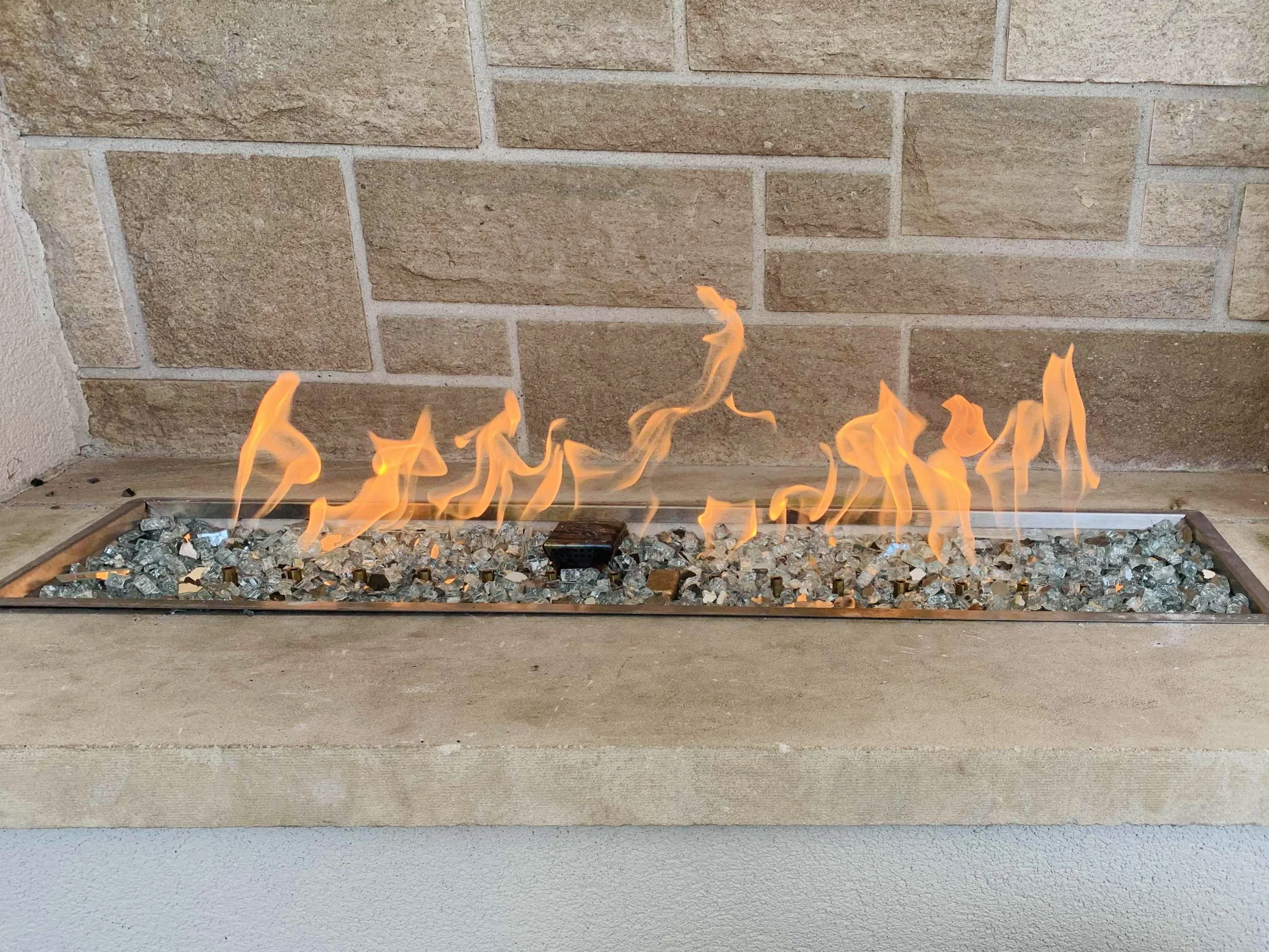
Fire
Gas infrastructure, fire features, pool and spa heating, outdoor heating and the systems that safely support them.
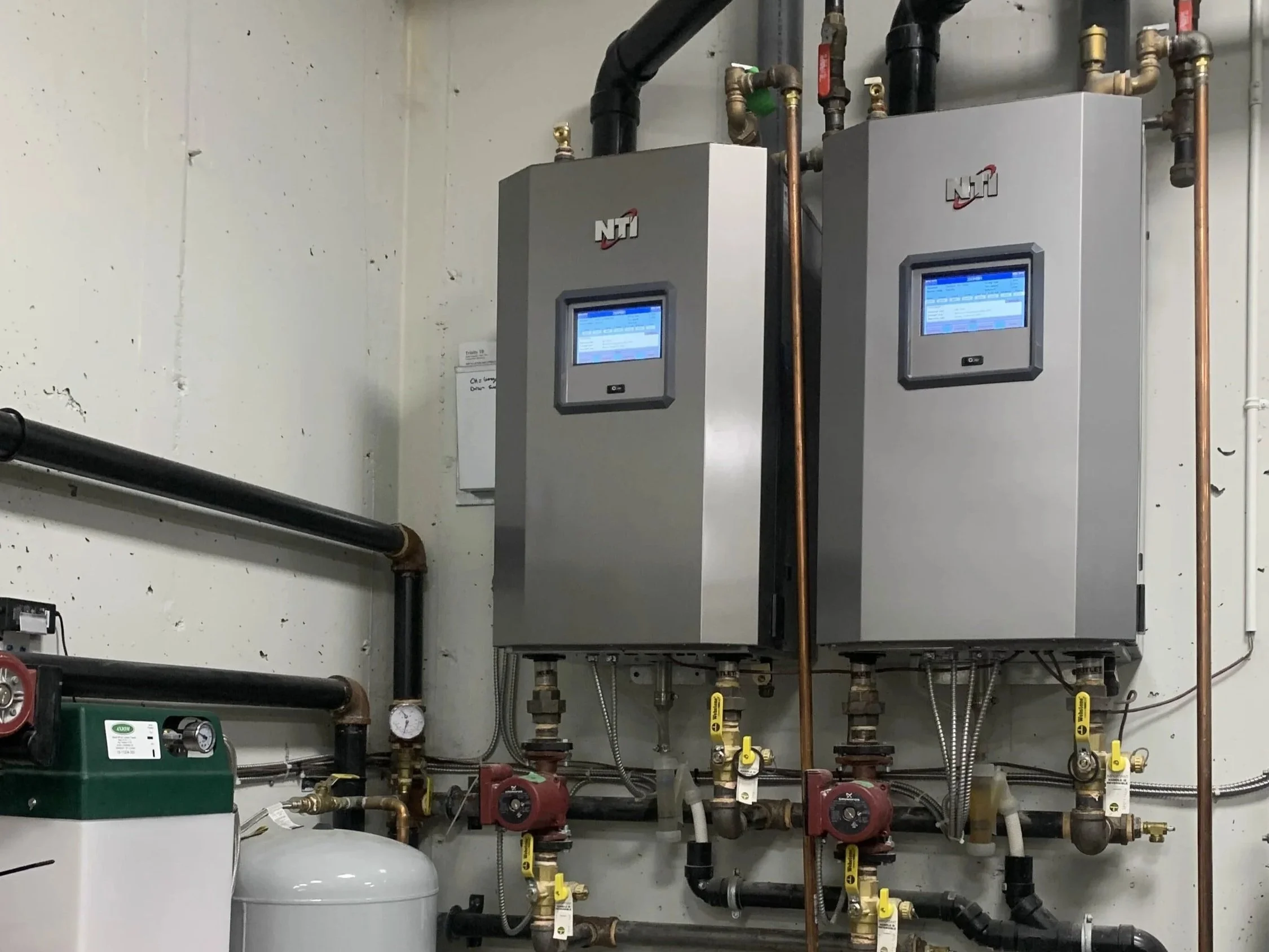
Electrical
Landscape power, electrical distribution, Wi-Fi, automation and the infrastructure required to connect outdoor systems.
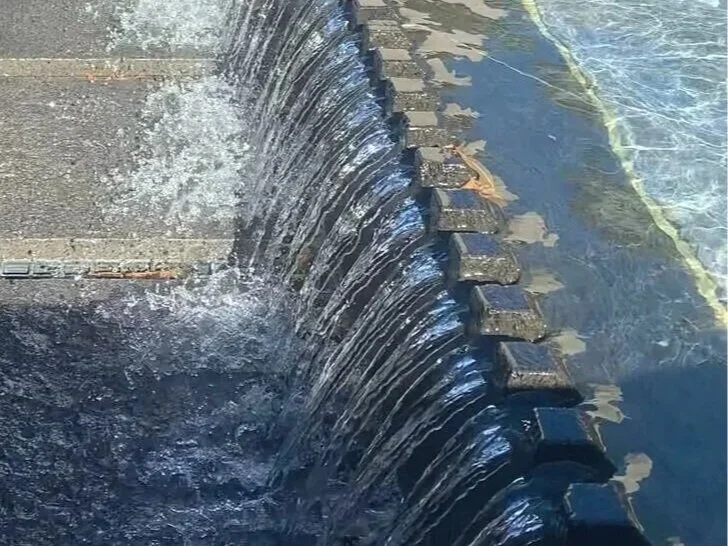
water
Drainage, water infrastructure, hydronic systems and related systems that manage, move and use water throughout the landscape.
*page currently under maintenance*
service & Maintenance
Review of the fire feature, components, connections, and visible infrastructure.
Inspection
Cleaning
Removal of accumulated debris and buildup from accessible components.
Testing ignition, controls, flame performance, and overall operation.
Operational Testing
Documentation
Recording service findings and identifying any conditions requiring attention.
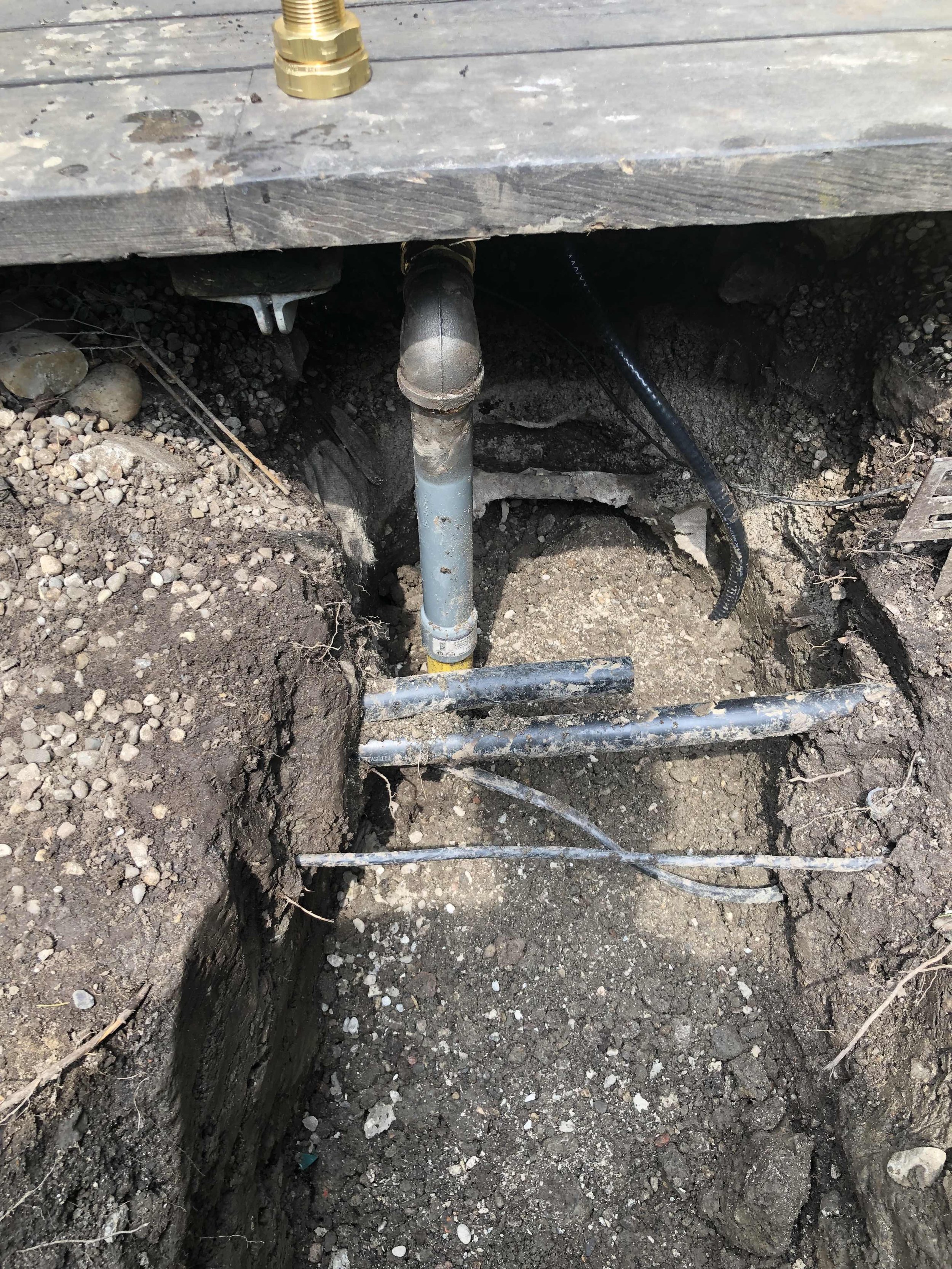
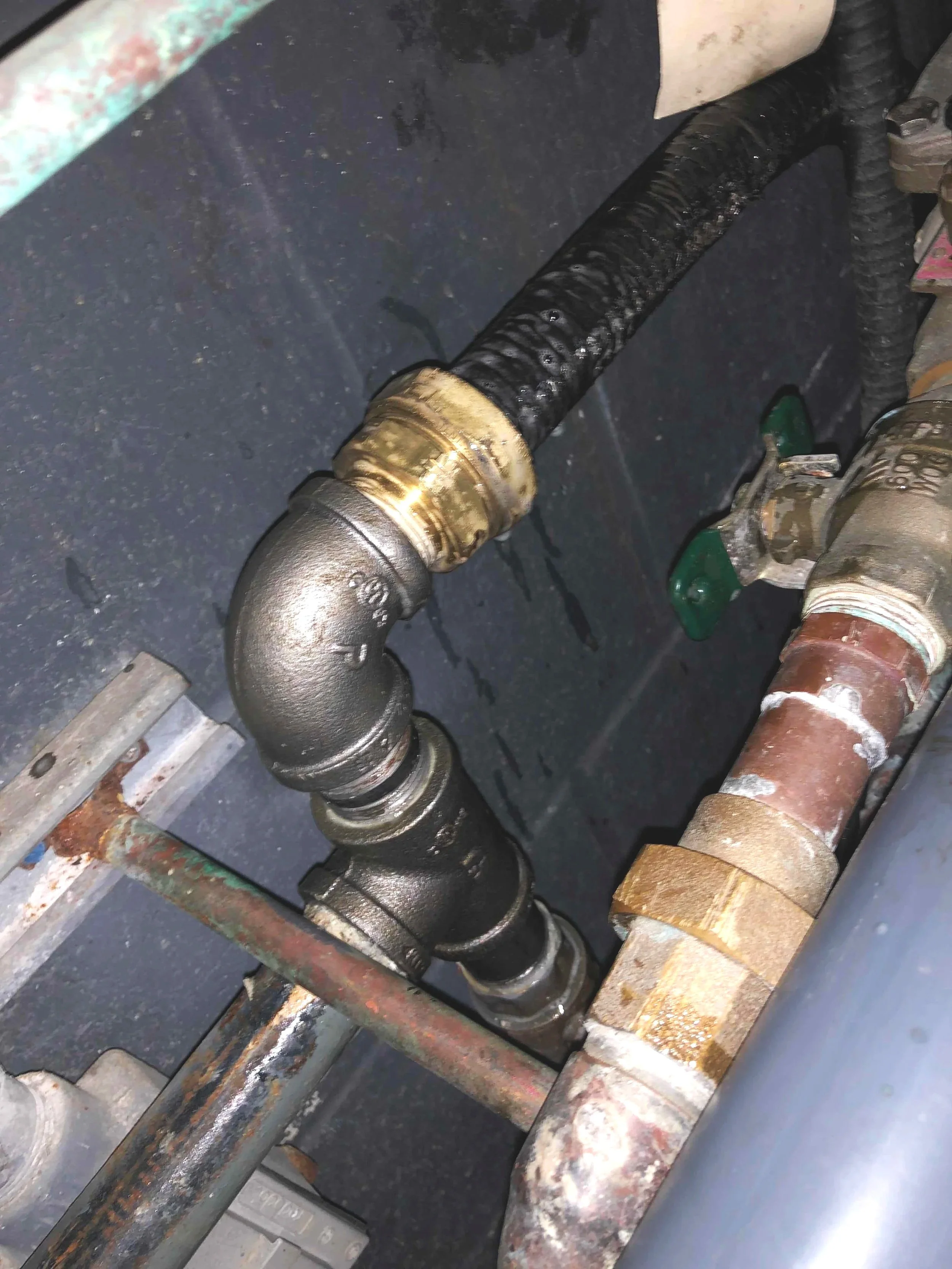
Replacement Parts
Identified Repairs
Frequently Asked Questions
-
DHS provides inspection, maintenance, and service for existing outdoor fire features, including systems not originally installed by DHS. Each feature is assessed to determine its condition, configuration, and service requirements. Any recommended repairs, modifications, or replacement components are identified and quoted separately.
-
Yes. DHS works directly with landscape architects, designers, builders, pool contractors, and homeowners to coordinate fire features and outdoor infrastructure. We can support projects from concept and equipment selection through infrastructure planning, installation, commissioning, and ongoing service.
-
Yes. DHS can assess an existing fire feature before renovation or upgrade work to evaluate its current condition, components, connections, and overall operation. The assessment helps identify what can be retained, what may need to be modified or replaced, and what work may be required to integrate the upgraded system safely and effectively.